Featured and Trending
Future of Medical Admin Outsourcing: Cutting Costs Without Compromising Care

A New Way to Manage Healthcare Admin
Healthcare practices today are stretched thin. Rising costs, staffing shortages, and increasing compliance demands leave many providers wondering how to keep up. The answer for many? Medical admin outsourcing.
This isn’t about cutting corners—it’s about building lean, resilient practices that can grow without sacrificing patient care. With the rise of remote clinical admin support and virtual medical assistant services, healthcare leaders are finding ways to reduce costs and keep their teams focused on what matters most: patients.
Why Outsourcing Makes Sense Now
Running everything in-house was once the norm. But today, it’s often unsustainable:
-
Costs are rising: Salaries, benefits, and turnover hit budgets hard.
-
Staff are overwhelmed: Clinical teams are drowning in admin work.
-
Compliance is complex: HIPAA and regulatory standards demand constant oversight.
By embracing medical admin outsourcing, practices can:
-
Reduce payroll and overhead.
-
Access trained, HIPAA-compliant staffing.
-
Scale admin support up or down as patient demand changes.
What Outsourcing Looks Like in Practice
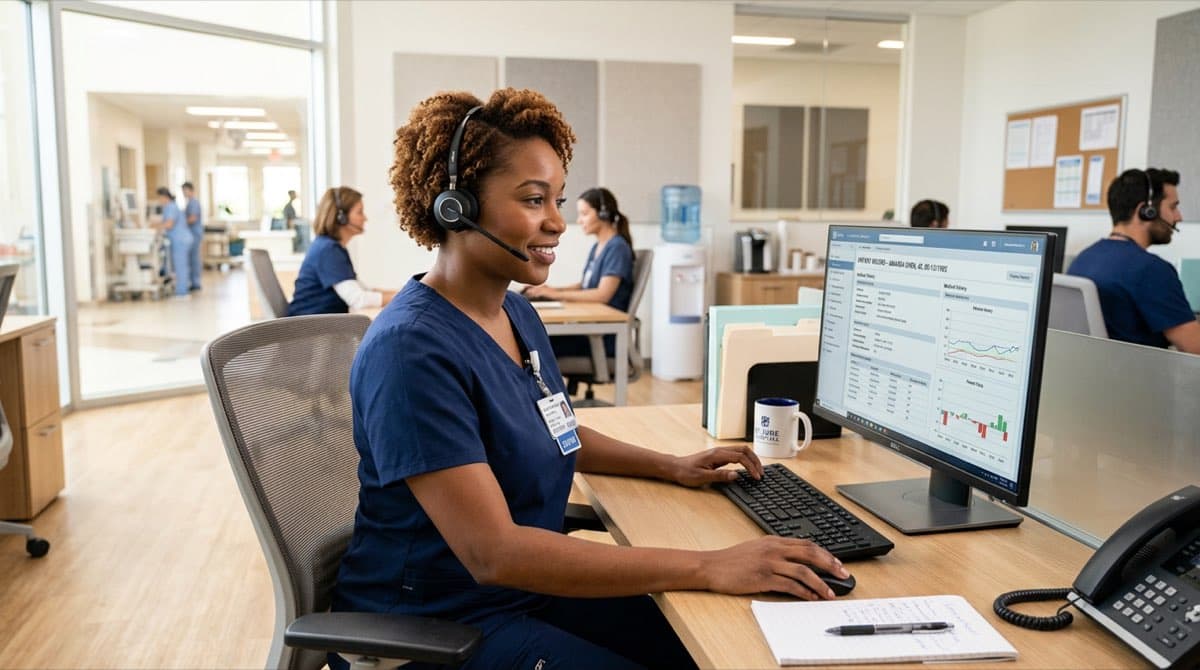
Outsourcing doesn’t mean losing control—it means gaining capacity. A virtual medical assistant can handle:
-
Scheduling & patient reminders
-
Medical billing & insurance claims
-
Records management & data entry
-
Patient follow-ups & communications
This frees your in-house staff to focus on patient care, not paperwork.
For examples of tasks you can outsource right now, read Top 7 Tasks to Outsource in Medical Practices for Efficiency.
Cost Savings Without Compromise
One myth is that outsourcing reduces care quality. In fact, it does the opposite. By letting remote clinical admin support handle repetitive tasks, in-house staff spend more time with patients—improving care quality and patient satisfaction.
Even better, outsourcing can save practices up to 30–40% compared to in-house staffing. Those savings can be reinvested in equipment, training, and clinical excellence.
Compliance at the Core
Of course, security and privacy matter. The best partners provide HIPAA-compliant staffing, so patient data is always protected. To dive deeper, see HIPAA-Compliant Outsourcing: What Healthcare Leaders Must Know.
Final Thought
The future of healthcare is about working smarter, not harder. Medical admin outsourcing allows practices to cut costs, reduce burnout, and deliver better care without compromise.
Want to compare outsourcing with traditional staffing? Check out Virtual Medical Assistants vs. In-House Staff: Pros & Cons.
More from Medical

Virtual Front Desk for Medical Offices: Cost Guide
If you’ve already read what a virtual front desk covers, the next question is more practical: how does it actually get billed, set up, and connected to the systems your practice already runs. Most vendor pages skip straight to a number. The number matters less than the structure behind it, and the structure is where …
HIPAA Compliant Answering Service: What to Know
Most practices think their answering service meets HIPAA requirements once the vendor signs a Business Associate Agreement (BAA). However, the agreement alone doesn’t protect patient information. It doesn’t encrypt messages, train staff, or ensure agents understand medical calls. Practices that rely on paperwork alone may discover these gaps when a routine after-hours call goes wrong. …

What Is a Virtual Medical Receptionist? A Complete Guide for Practice Owners
A virtual medical receptionist is a HIPAA-trained professional who handles a practice’s phones, scheduling, and patient intake from outside the physical office, working inside the practice’s own EHR and phone system. The work is the same as an in-house front desk role: answering calls, booking and confirming appointments, verifying insurance, and routing messages to the …

Healthcare Administrative Capacity Crisis: Why Care Delivery Is Slowing
For years, operational strain in healthcare has been framed as a staffing shortage. But the data points to something deeper: a healthcare administrative capacity crisis. Organizations are being asked to reduce staffing while administrative workload continues to rise, creating a widening gap between the work that must get done and the capacity available to execute …